
Restorative Dentistry
Restore Your Teeth, Rebuild Your Smile
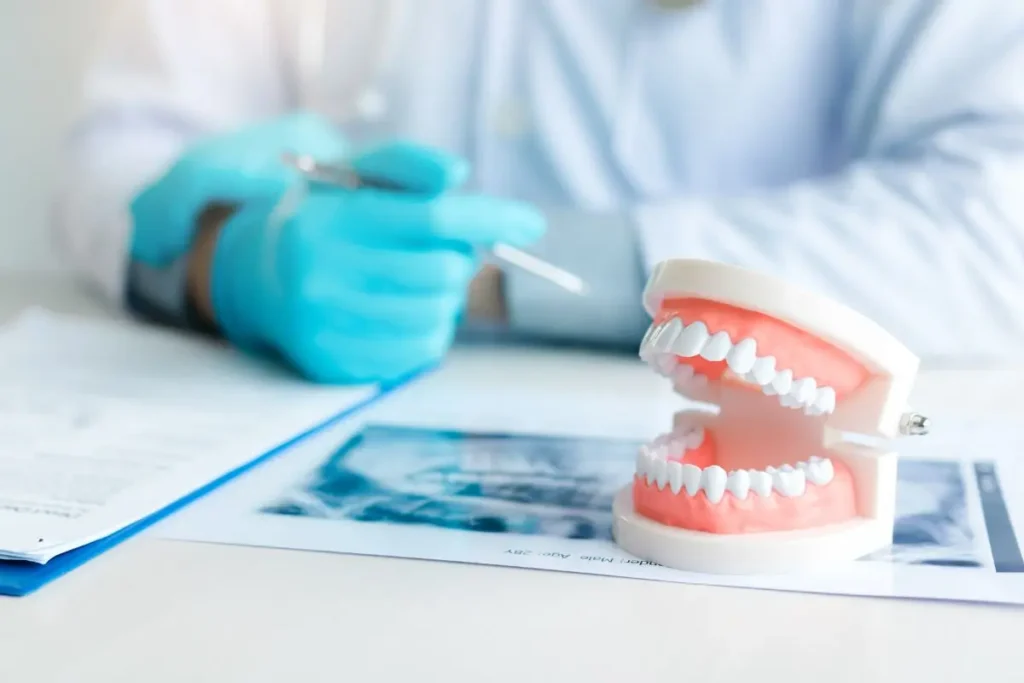
At Rao Dental Care & Implant Center, Rewari Road, Narnaul, Restorative Dentistry focuses on repairing damaged, decayed, weakened, or missing tooth structure and restoring your teeth for better function, comfort, appearance, and oral health. From simple tooth-coloured fillings to advanced procedures such as Root Canal Treatment, dental crowns, bridges, and Full Mouth Rehabilitation, restorative dental care is tailored to the condition of your teeth and your individual needs.
COMPLETE CARE FOR A HEALTHY SMILE
Our Restorative Dentistry Services

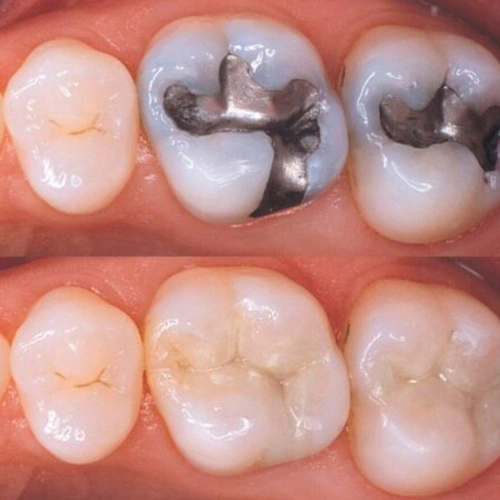
Tooth-Coloured Fillings
Tooth-coloured fillings are used to restore teeth affected by decay or minor damage while maintaining a natural-looking appearance. The restoration is matched to the tooth colour for a more discreet result.
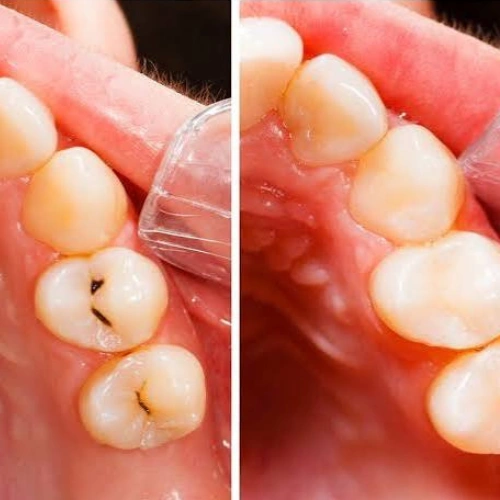
Dental Fillings for Cavities
Dental fillings help restore teeth affected by cavities and prevent further progression of tooth decay. The decayed portion is removed and the tooth is restored to support normal chewing and function.
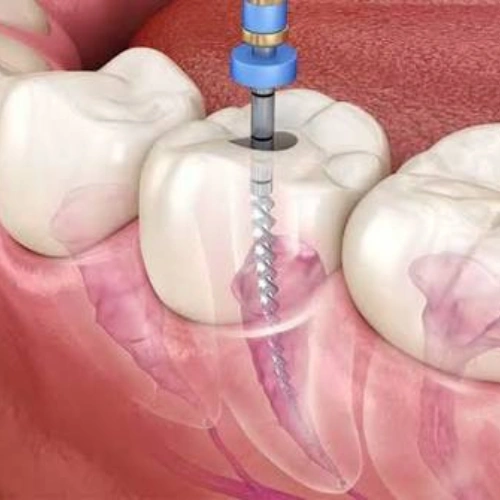
Root Canal Treatment (RCT)
Root Canal Treatment is performed when the inner pulp of a tooth becomes infected or severely inflamed. The affected tissue is carefully treated, the root canal is cleaned and sealed, and the tooth can then be restored to help preserve its function.
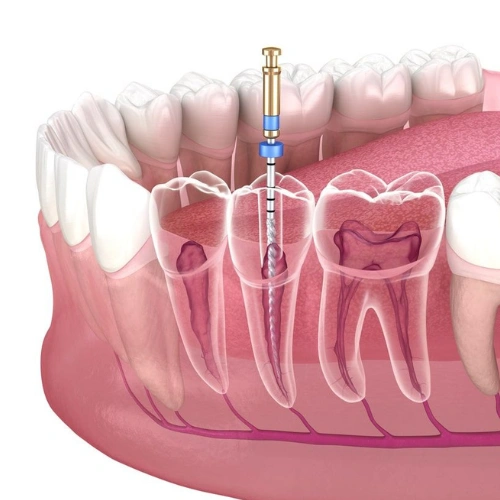
Re-RCT / Root Canal Retreatment
Sometimes a previously treated tooth may continue to have problems or develop a new infection. Root canal retreatment involves reassessing and treating the tooth again to address the underlying issue and support its long-term preservation.
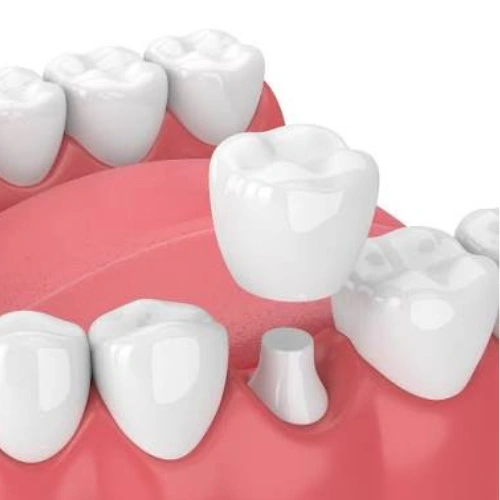
Dental Crowns & Caps
Dental crowns, commonly called caps, cover and protect teeth that are weakened, extensively restored, fractured, or treated with root canal therapy. Crowns can also improve the shape and appearance of a damaged tooth.
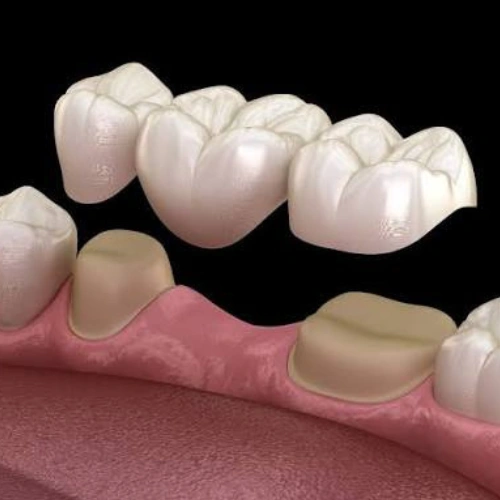
Dental Bridges
Dental bridges are used to replace one or more missing teeth by using neighbouring teeth or appropriate supporting structures. They help restore chewing ability and can improve the appearance and continuity of your smile.
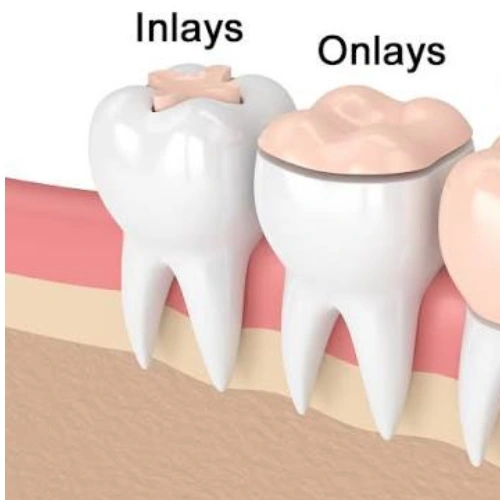
Inlays & Onlays
Inlays and onlays are customized restorations used when a tooth has more damage than can be repaired with a conventional filling but does not necessarily require a full crown. They help restore the tooth while preserving healthy tooth structure.
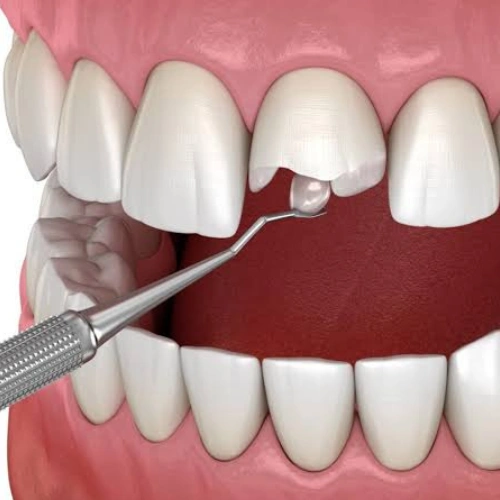
Treatment of Broken or Fractured Teeth
Broken or fractured teeth can affect chewing and may cause sensitivity or discomfort. Depending on the extent of damage, treatment may involve a filling, bonding, crown, root canal treatment, or another suitable restoration.
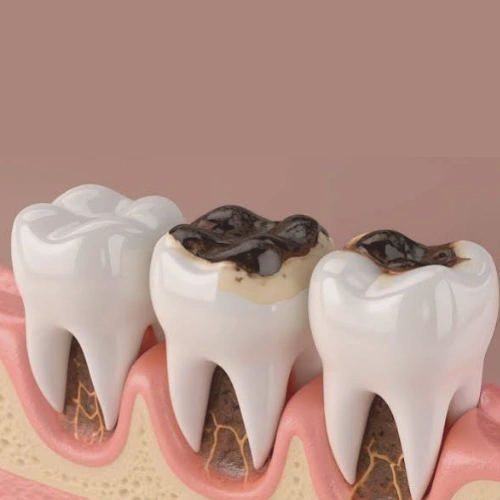
Restoration of Worn or Damaged Teeth
Teeth can become worn or damaged due to factors such as normal wear, grinding, decay, or injury. Restorative treatment can help rebuild damaged tooth structure, improve function, and restore a more natural appearance.

Full Mouth Rehabilitation
Full Mouth Rehabilitation involves comprehensive treatment for patients with multiple damaged, worn, missing, or severely compromised teeth. A personalized treatment plan may combine several restorative procedures to improve oral function, comfort, bite, and overall smile appearance.

Why Choose Restorative Dentistry?
Preserves natural teeth whenever possible
Restores damaged and decayed teeth
Improves chewing and dental function
Helps protect weakened teeth
Natural-looking restorative options
Personalized treatment planning
Comprehensive care for complex dental problems
Focus on long-term oral health
Restore Your Teeth with Personalized Dental Care
Damaged or decayed teeth don’t always need to be removed. With appropriate restorative treatment, many teeth can be repaired and maintained for years.
At Rao Dental Care & Implant Center, we assess your dental condition carefully and recommend a suitable restorative approach based on your needs.
Book Your Restorative Dentistry Consultation
Whether you have a cavity, damaged tooth, persistent dental problem, missing tooth, or multiple dental concerns, timely evaluation can help prevent further complications.
FAQs – Restorative Dentistry
What is Restorative Dentistry?
Restorative Dentistry focuses on repairing and replacing damaged, decayed, worn, fractured, or missing teeth. Treatments may include fillings, Root Canal Treatment, crowns, bridges, inlays, onlays, and Full Mouth Rehabilitation.
When do I need restorative dental treatment?
You may need restorative treatment if you have tooth decay, cavities, broken or fractured teeth, worn teeth, an infected tooth, damaged restorations, or missing teeth. A dental examination can help determine the appropriate treatment.
Can a cavity be treated without removing the tooth?
In many cases, a tooth affected by a cavity can be restored with a dental filling. The treatment depends on how extensive the decay is and whether the inner part of the tooth has been affected.
What are tooth-coloured fillings?
Tooth-coloured fillings are restorations designed to blend with the natural colour of your teeth. They are commonly used to repair cavities and minor areas of tooth damage.
When is Root Canal Treatment required?
RCT may be recommended when the pulp inside a tooth becomes infected or severely inflamed. Common symptoms can include significant toothache, prolonged sensitivity, swelling, or discomfort, although some infected teeth may not cause obvious symptoms.
What is Re-RCT or Root Canal Retreatment?
Re-RCT is a procedure performed on a tooth that has previously undergone root canal treatment but has developed persistent or recurring problems. The tooth is reassessed and the root canal system is treated again when appropriate.
Why might I need a dental crown after RCT?
A tooth that has undergone RCT may require additional protection depending on its condition. A crown can help protect a significantly weakened tooth and restore its shape and function.
What is the difference between a dental crown and a dental bridge?
A crown generally covers and protects an individual damaged or weakened tooth. A bridge is used to replace one or more missing teeth by connecting the replacement tooth to supporting teeth or structures.
What are inlays and onlays?
Inlays and onlays are customized restorations used to repair teeth with moderate damage. They can be an option when a conventional filling may not provide sufficient restoration but a full crown may not be necessary.
Can a broken tooth be restored?
Depending on the location and severity of the fracture, a broken tooth may be restored using a filling, bonding, crown, or other appropriate treatment. If the tooth’s pulp is affected, Root Canal Treatment may also be required.
Can worn-down teeth be repaired?
Yes. Worn or damaged teeth can often be restored depending on the underlying cause and extent of tooth wear. Treatment may include fillings, crowns, or other restorative procedures.
What is Full Mouth Rehabilitation?
Full Mouth Rehabilitation is a comprehensive approach for patients who have multiple dental problems. It may involve a combination of restorative treatments designed to improve chewing function, bite, comfort, and the appearance of the smile.
How long do dental restorations last?
The lifespan of a restoration varies depending on the type of restoration, oral hygiene, chewing habits, underlying dental condition, and regular dental care. Good oral hygiene and routine dental check-ups can help maintain restorations.
Can restorative dentistry improve the appearance of my smile?
Yes. Many restorative treatments are designed not only to restore dental function but also to improve the shape, colour, alignment, and overall appearance of damaged or missing teeth.
Is restorative dental treatment painful?
Many restorative procedures are performed with appropriate local anaesthesia and are designed to keep the patient comfortable. Some treatments may cause temporary sensitivity or discomfort afterward, depending on the procedure and condition of the tooth.
How can I know which restorative treatment is right for me?
The appropriate treatment depends on factors such as the condition of the tooth, extent of damage or decay, gum health, bite, and overall oral health. A comprehensive dental examination helps determine the most suitable treatment option.