Dr. Babita Rao | Dental Surgeon Narnaul

Missing Teeth & Tooth Replacement

Prompt Dental Care When You Need It Most

Dental problems can sometimes occur unexpectedly and may require prompt attention. At Rao Dental Care & Implant Center, Rewari Road, Narnaul, Emergency Dental Care provides timely assessment and treatment for sudden toothache, dental injuries, infections, swelling, bleeding, and other urgent dental concerns.

Our first priority is to understand the cause of your symptoms, relieve discomfort where appropriate, and determine the most suitable treatment to address the underlying dental problem.

Missing Teeth & Tooth Replacement

COMPLETE CARE FOR A HEALTHY SMILE

Our Missing Teeth & Tooth Replacement Services

Dental Implants

Dental Implants

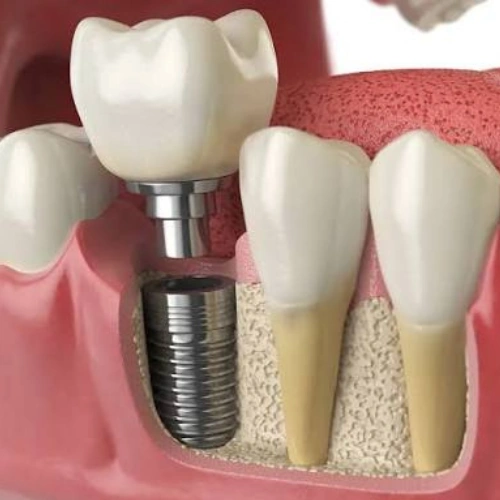
Dental implants are a tooth replacement option designed to replace missing teeth with a stable, natural-looking restoration. An implant is placed into the jawbone and can support a crown, bridge, or other dental restoration. Dental implants may be considered for patients who have one or more missing teeth and are looking for a fixed replacement option.
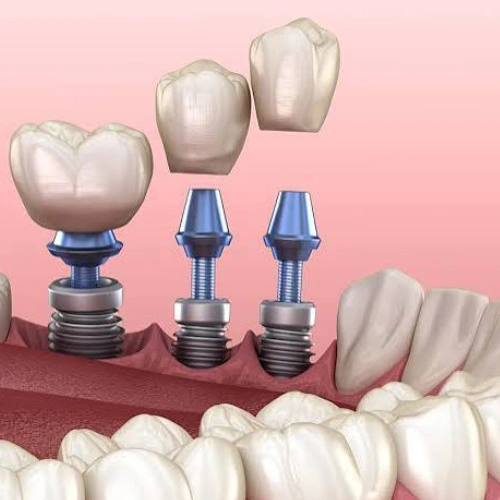
Benefits may include:

  • Stable tooth replacement
  • Natural-looking appearance
  • Improved chewing function
  • Support for surrounding dental structures
  • No need to remove the replacement for daily use
Implant-Supported Crowns

Implant-Supported Crowns

An implant-supported crown can be used to replace a single missing tooth. The dental implant provides the foundation, while a custom-made crown restores the visible portion of the tooth. This approach can provide a fixed replacement without relying on adjacent natural teeth for support.
Implant-supported crowns can help with:

  • Single-tooth replacement
  • Restoring chewing function
  • Improving smile appearance
  • Supporting a balanced bite
  • Replacing a missing tooth with a fixed restoration
Fixed Dental Bridges

Fixed Dental Bridges

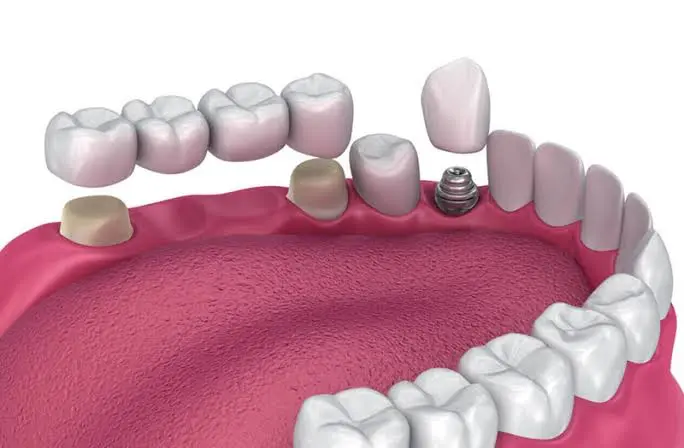
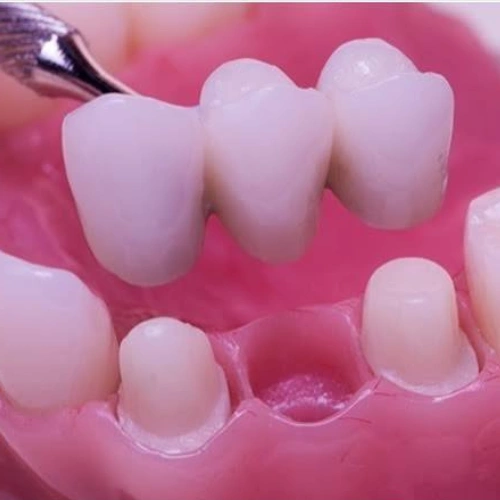
A fixed dental bridge is designed to replace one or more missing teeth by using supporting teeth or other appropriate structures. A bridge can restore the visible gap and help improve chewing and speaking. The appropriate type of bridge depends on the location of the missing tooth, the condition of the supporting teeth, and your overall oral health.
Fixed bridges may be suitable for:

  • One or more missing teeth
  • Patients looking for a fixed replacement
  • Restoring gaps caused by tooth loss
  • Improving chewing and appearance
Removable Dentures

Removable Dentures

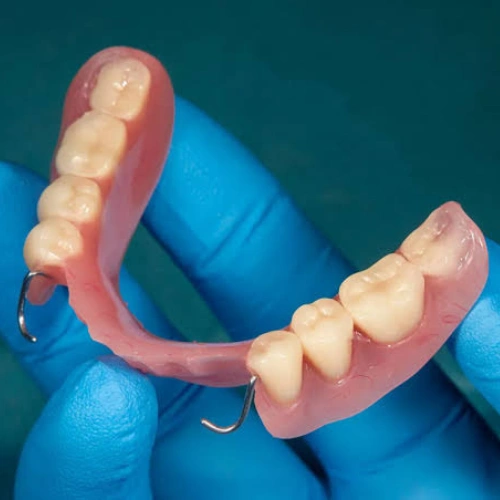
Removable dentures are dental appliances that can replace missing teeth and are designed to be removed for cleaning and maintenance. They may be considered when multiple teeth are missing and a removable tooth replacement is appropriate. Depending on your needs, dentures can be designed to provide a comfortable fit while restoring basic chewing and speaking functions.
Complete Dentures

Complete Dentures

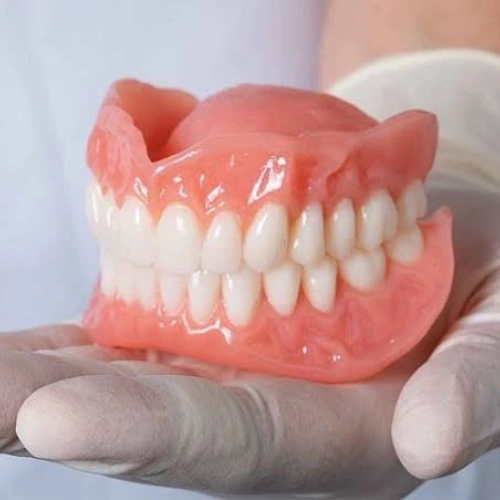
Complete dentures are designed for patients who have lost all or most of their natural teeth in a dental arch. They replace the missing teeth and associated visible tooth structure with a removable dental appliance.Complete dentures can help: Restore the appearance of the smile Improve chewing ability Support clearer speech Restore a more natural facial appearance Provide a practical tooth replacement option
Partial Dentures

Partial Dentures

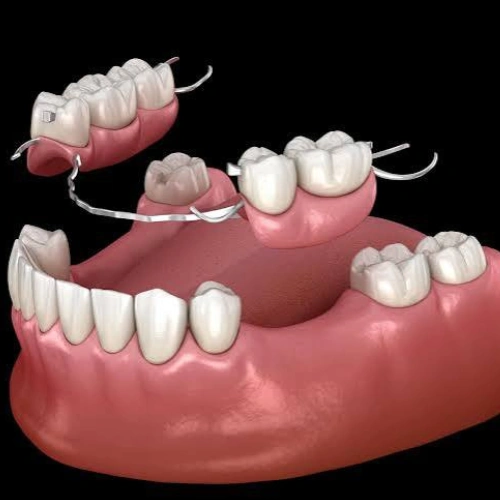
Partial dentures can replace several missing teeth while some natural teeth remain. They are removable and can be designed to fit around the remaining natural teeth. Partial dentures may provide a practical option when multiple teeth need replacement. The design depends on the number and position of missing teeth, the condition of the remaining teeth, and your individual requirements.

Which Tooth Replacement Option May Be Right for You?

There is no single solution that is suitable for every patient. The appropriate treatment depends on several factors, including:

Number of missing teeth

Location of missing teeth

Condition of remaining teeth

Gum health

Jawbone support

Bite and chewing requirements

Overall oral health

Personal preferences

Treatment goals

Why Replace Missing Teeth?


Replacing missing teeth can help restore important aspects of oral function and appearance.

Improved Chewing

Missing teeth can make it harder to chew certain foods. Tooth replacement can help restore functional biting and chewing.

Better Smile Appearance

Replacing missing teeth can close visible gaps and help create a more complete-looking smile.

Support for Speech

Teeth play an important role in pronunciation. Replacing missing teeth may help improve speech affected by tooth loss.

Maintaining Oral Function

Replacing missing teeth can help restore a more balanced dental function and may help prevent unwanted movement of neighboring teeth.

What to Expect During Tooth Replacement Treatment

Step 1: Dental Consultation

Your dentist examines your teeth, gums, bite, and overall oral health.

Step 2: Assessment & Imaging

Dental X-rays or other imaging may be recommended when required, particularly for implant treatment planning.

Step 3: Treatment Planning

The available tooth replacement options are discussed according to your dental condition.

Step 4: Treatment

The selected treatment may involve an implant, crown, bridge, or denture depending on your planned restoration.

Step 5: Restoration & Follow-Up

The final restoration is fitted and your dentist provides instructions regarding oral hygiene, care, and follow-up visits.

Dental Implant vs Bridge vs Denture

Different tooth replacement options have different designs and requirements.

Dental Implants

Dental Implants

A fixed replacement option that uses an implant placed in the jawbone to support a crown or other restoration.

Fixed Dental Bridges

Fixed Dental Bridges

A fixed restoration that replaces missing teeth using appropriate supporting teeth or structures.

Partial Dentures

Removable Dentures

Removable appliances that can replace multiple or complete sets of missing teeth.

Why Choose Rao Dental Care & Implant Center?

At Rao Dental Care & Implant Center, Rewari Road, Narnaul, our approach to tooth replacement focuses on understanding each patient’s individual dental needs before recommending a treatment option.

Personalized treatment planning

Comprehensive dental evaluation

Multiple tooth replacement options

Implant consultation and planning

Focus on comfort and function

Natural-looking restorative solutions

Clear explanation of treatment options

Follow-up and maintenance guidance

Dr. Babita Rao

Restore Your Smile with the Right Tooth Replacement Solution

Missing teeth do not have to mean living with difficulty in chewing, speaking, or smiling. With options ranging from dental implants and implant-supported crowns to fixed bridges and removable dentures, a suitable treatment approach can be planned according to your individual needs.

Book Your Dental Consultation Today

Rao Dental Care & Implant Center
Rewari Road, Narnaul

Frequently Asked Questions

What are the options for replacing missing teeth?

Common options include dental implants, implant-supported crowns, fixed dental bridges, removable dentures, complete dentures, and partial dentures. The appropriate option depends on your oral health, number of missing teeth, bone support, and treatment goals.

Dental implants are not automatically suitable for every patient. A dental and, when appropriate, imaging assessment is needed to evaluate factors such as gum health, jawbone support, general oral condition, and the location of the missing tooth.

A dental implant is a component placed in the jawbone that can serve as a foundation for a dental restoration such as a crown. It is used as part of a treatment plan for replacing missing teeth.

An implant-supported crown is a crown attached to a dental implant to replace a missing tooth. It provides a fixed restoration without depending on neighboring natural teeth for support.

A fixed dental bridge is a dental restoration used to replace one or more missing teeth. It is supported by appropriate neighboring teeth or other dental structures.

Yes. Removable dentures are designed to be taken out for cleaning and maintenance.

Complete dentures are generally used when all natural teeth in a dental arch are missing, while partial dentures are used when some natural teeth remain.

Yes. Partial dentures can replace multiple missing teeth when appropriate. The design depends on the location of the missing teeth and the condition of the remaining teeth.

In suitable cases, a single missing tooth can be replaced using a dental implant and an implant-supported crown.

Bridges and dentures are different treatment options, and suitability depends on the patient’s dental condition. Your dentist can assess the missing teeth and supporting structures before recommending an appropriate option.

Treatment time varies depending on the type of restoration and individual circumstances. Implant treatment may involve multiple stages, while bridges and dentures may follow different treatment timelines.

Placement of a dental implant involves a surgical procedure to position the implant in the jawbone. Your dentist will explain the procedure, preparation, recovery, and follow-up requirements during consultation.

The dentist evaluates your missing tooth or teeth, gums, remaining teeth, bite, and jawbone. Dental imaging may be recommended when necessary, followed by discussion of suitable treatment options.

Yes. Missing teeth can make chewing certain foods more difficult. Replacing them may help restore chewing function.

Depending on which teeth are missing and how many are affected, tooth loss can influence pronunciation or speech. Appropriate tooth replacement may help restore oral function.

When a tooth is lost, neighboring teeth may shift over time. Your dentist can assess your bite and discuss whether tooth replacement would be appropriate.

Dental implants are designed as a long-term tooth replacement solution, but their longevity depends on factors such as oral hygiene, gum health, bone support, restoration condition, lifestyle factors, and regular dental care.

Care depends on the type of restoration. Good oral hygiene, regular dental check-ups, appropriate cleaning of dentures or implant restorations, and following your dentist’s instructions are important for maintaining oral health.

Implant-based treatment can be considered for patients with extensive tooth loss, but the exact treatment depends on individual oral health, available bone support, and other clinical factors. A consultation is necessary to determine suitable options.

It is still worth having a dental evaluation. Your dentist can assess the current condition of your gums, remaining teeth, jawbone, and bite and discuss suitable replacement options.

Scroll to Top