


Dr. Babita Rao | Dental Surgeon Narnaul

Emergency Dental Care

Prompt Dental Care When You Need It Most

Dental problems can sometimes occur unexpectedly and may require prompt attention. At Rao Dental Care & Implant Center, Rewari Road, Narnaul, Emergency Dental Care provides timely assessment and treatment for sudden toothache, dental injuries, infections, swelling, bleeding, and other urgent dental concerns.

Our first priority is to understand the cause of your symptoms, relieve discomfort where appropriate, and determine the most suitable treatment to address the underlying dental problem.

Emergency Dental Care

COMPLETE CARE FOR A HEALTHY SMILE

Our Emergency Dental Care Services

Sudden Toothache

Sudden Toothache

A sudden or severe toothache can be caused by tooth decay, infection, a damaged tooth, gum problems, or other dental conditions. An emergency dental consultation helps identify the cause and determine appropriate treatment.
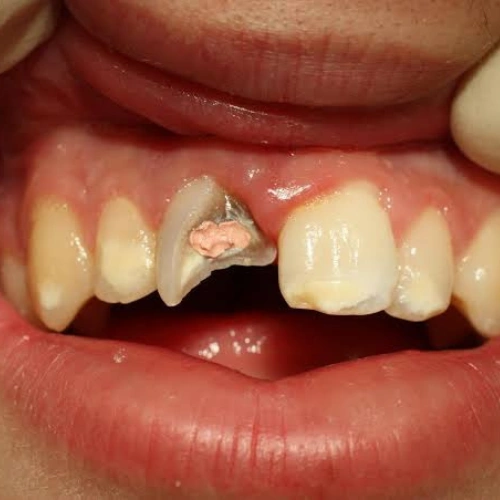
Broken or Chipped Tooth

Broken or Chipped Tooth

A tooth can chip or break due to an injury, biting on something hard, decay, or other causes. Depending on the extent of the damage, treatment may include bonding, filling, a crown, root canal treatment, or another suitable restoration.
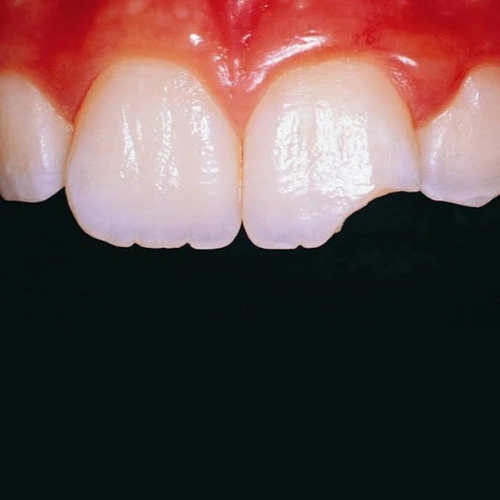
Dental Trauma

Dental Trauma

Accidents, falls, sports injuries, or other incidents can cause dental trauma. Prompt assessment can help evaluate damage to the tooth, gums, and surrounding structures and determine the appropriate course of care.
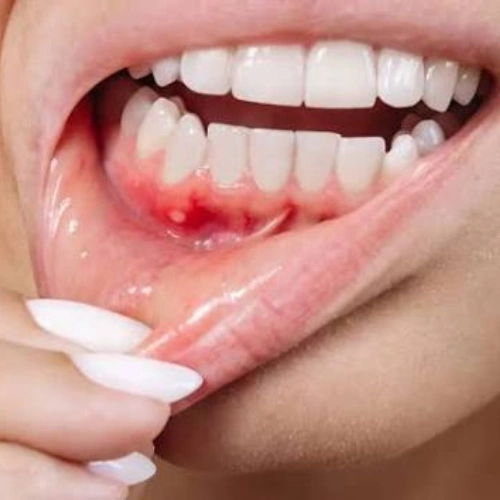
Tooth Infection

Tooth Infection

A dental infection may cause pain, sensitivity, swelling, or tenderness. Treatment focuses on addressing the source of the infection and preserving the affected tooth whenever possible.
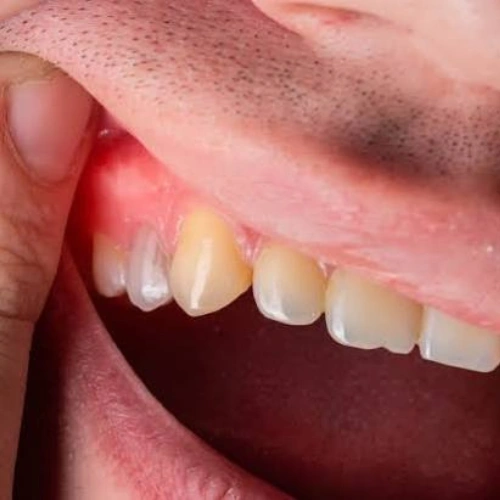
Dental Abscess

Dental Abscess

A dental abscess is a localized collection of infection that can occur around a tooth or within surrounding tissues. It may cause significant pain, swelling, or pus and requires timely dental evaluation.
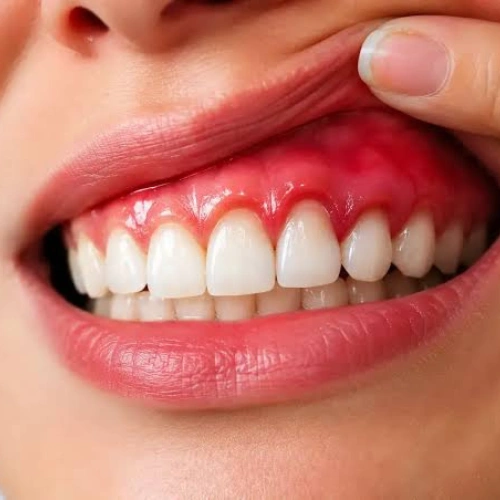
Swelling & Gum Pain

Swelling & Gum Pain

Sudden gum swelling, tenderness, or pain can have several causes, including infection, gum disease, impacted teeth, or other dental conditions. An examination helps identify the cause and guide appropriate treatment.
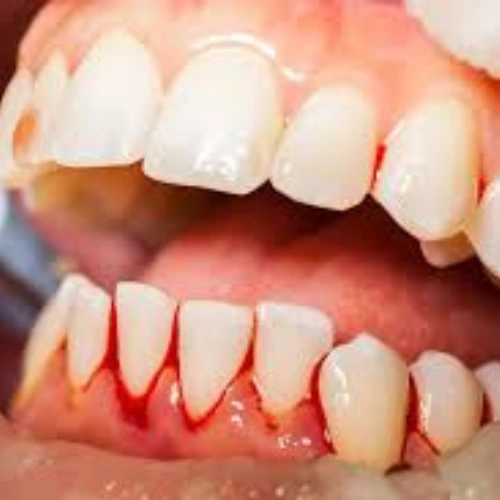
Bleeding Gums _ Oral Injury

Bleeding Gums / Oral Injury

Unexpected bleeding may occur following an oral injury or because of gum inflammation and other dental conditions. Persistent or significant bleeding should be assessed promptly by a dental professional.
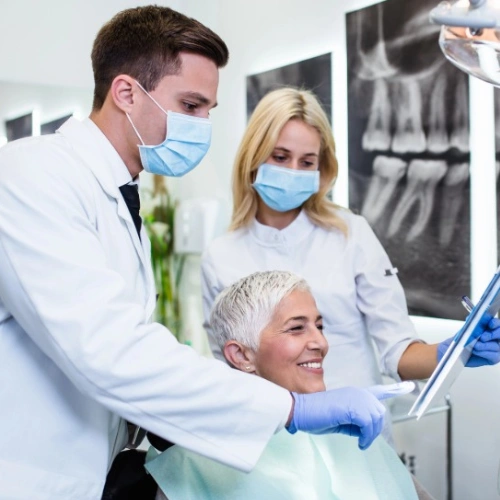
Emergency Dental Consultation

Emergency Dental Consultation

When you're unsure whether your dental problem requires urgent care, an emergency consultation provides an opportunity to assess your symptoms and determine the appropriate next step.

Common Dental Emergencies

Severe or sudden toothache

Tooth or mouth injury

Facial or gum swelling

A broken, chipped, or fractured tooth

Significant tooth sensitivity or pain

Unusual or persistent oral bleeding

A knocked-out or displaced tooth

Dental abscess or pus

Persistent gum pain

What to Do During a Dental Emergency

Stay Calm

Dental emergencies can be stressful. Try to avoid unnecessary pressure or manipulation of the affected area.

Protect the Injured Area

If a tooth has broken or been injured, avoid chewing on that side until you receive dental advice.

Don’t Ignore Swelling or Infection

Dental infections and abscesses should be evaluated promptly, particularly when swelling or pain is increasing.

Seek Urgent Medical Care When Necessary

Facial or neck swelling that affects breathing or swallowing, uncontrolled bleeding, or a severe injury involving the face or jaw requires urgent medical attention.

Our Approach to Emergency Dental Care

1. Immediate Assessment

We evaluate your symptoms, affected tooth, gums, and surrounding tissues to understand the nature of the dental problem.

2. Identify the Cause

Where appropriate, dental examination and diagnostic imaging may be used to determine the underlying cause.

3. Appropriate Treatment

Treatment is based on the dental condition and may include restoration, root canal treatment, infection management, extraction, or other appropriate dental procedures.

4. Follow-up & Prevention

After the immediate concern is addressed, you may receive guidance regarding follow-up treatment and preventive care to reduce the risk of recurring problems.

Why Choose Rao Dental Care & Implant Center?

Care for sudden tooth pain and dental injuries

Management of dental infections and abscesses

Treatment for broken and damaged teeth

Emergency extraction when clinically appropriate

Evaluation of gum pain and swelling

Clear treatment and aftercare guidance

Prompt dental assessment

Patient-focused approach

Dr. Babita Rao

Don't Ignore Sudden Dental Problems

Tooth pain, swelling, infection, or dental trauma can sometimes require timely attention. At Rao Dental Care & Implant Center, Rewari Road, Narnaul, we provide emergency dental assessment and appropriate treatment for urgent dental concerns.

Need Urgent Dental Care?

Get your dental problem assessed promptly and understand the appropriate treatment options.

FAQs – Emergency Dental Care

What is considered a dental emergency?

A dental emergency may include severe toothache, significant swelling, dental trauma, a broken or displaced tooth, dental abscess, persistent bleeding, or other sudden dental problems requiring prompt assessment.

Avoid putting unnecessary pressure on the affected tooth and arrange a dental evaluation as soon as possible. Severe toothache can have several causes, including decay, infection, or tooth damage.

It depends on the extent of the chip. A minor chip may not require immediate emergency treatment, while a significant fracture, severe pain, bleeding, or exposure of the inner tooth may require prompt dental attention.

Avoid chewing with the affected tooth and arrange a dental assessment. If possible, keep any broken tooth fragment and bring it with you for evaluation.

If a tooth or the mouth has been injured, seek dental assessment promptly. Trauma can affect the tooth, root, gums, or surrounding structures even when the damage is not immediately obvious.

Symptoms may include severe toothache, swelling, tenderness, pus, a bad taste in the mouth, or sensitivity. Fever or feeling generally unwell can also occur with some infections.

Home care should not replace professional dental treatment for an abscess. A dentist needs to assess the source of the infection and determine appropriate treatment.

Significant or rapidly increasing facial swelling should receive prompt attention. If swelling affects breathing or swallowing, seek emergency medical care immediately.

Possible causes include gum inflammation, infection, an abscess, an impacted tooth, or other dental conditions. A dental examination is needed to determine the specific cause.

Bleeding may be related to gum inflammation, plaque or tartar buildup, trauma, or other oral conditions. Persistent, heavy, or unexplained bleeding should be evaluated by a dental professional.

Not every damaged or infected tooth needs to be extracted. Depending on the condition, treatments such as fillings, crowns, or Root Canal Treatment may be possible. Your dentist will assess whether the tooth can be predictably preserved.

Extraction may be considered when a tooth is severely damaged, extensively decayed, infected, or otherwise cannot be predictably restored. The decision is made after evaluating the tooth and available treatment options.

A knocked-out permanent tooth requires urgent dental attention. Handle the tooth carefully by the crown rather than the root, avoid scrubbing it, and seek emergency dental care immediately.

Severe or worsening pain should not be ignored. Prompt evaluation can help identify the cause and determine whether urgent treatment is needed.

The goal of emergency dental treatment is to manage the dental problem while keeping you as comfortable as possible. Local anaesthesia may be used for procedures when appropriate.

No. Extraction is only one possible treatment. Depending on the cause and condition of the tooth, treatment may include a filling, Root Canal Treatment, crown, infection management, or another procedure.

Apply gentle pressure with clean gauze or a clean cloth and seek dental assessment. If bleeding is heavy or does not stop, seek urgent medical care.

Seek immediate emergency medical care for difficulty breathing or swallowing, rapidly spreading facial or neck swelling, uncontrolled bleeding, loss of consciousness, or serious facial/jaw trauma.

Scroll to Top